Understanding Grout Repair Costs
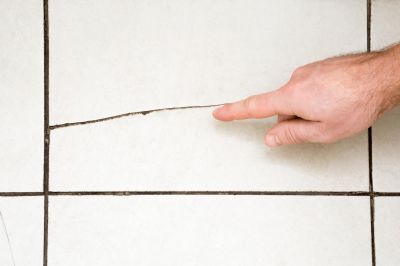
Larger or more severe damage increases repair costs due to additional labor and materials needed.
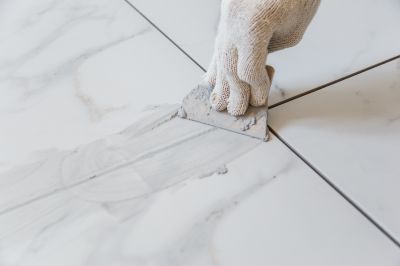
Different grout types, such as epoxy or cement-based, vary in cost and influence repair expenses.
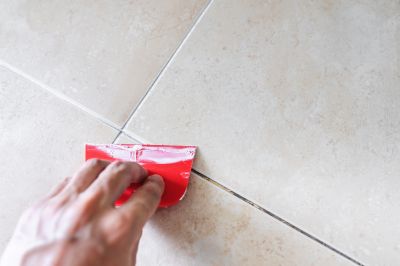
Hard-to-reach or high-traffic areas may require more effort, affecting overall costs.
| Factor | Impact on Cost |
|---|---|
| Extent of Damage | Minor cracks to extensive removal |
| Grout Type | Standard cement vs epoxy or specialty |
| Area Size | Smaller areas are less costly |
| Accessibility | Difficult access increases labor |
| Surface Material | Tile, stone, or other surfaces |
| Labor Complexity | Specialized skills may be required |
| Location | Indoor vs outdoor environments |
Additional factors affecting the cost include the condition of underlying surfaces and whether any underlying damage needs addressing. In cases requiring specialized materials or techniques, expenses can increase accordingly. Consulting with a professional can provide a detailed estimate tailored to specific repair needs.
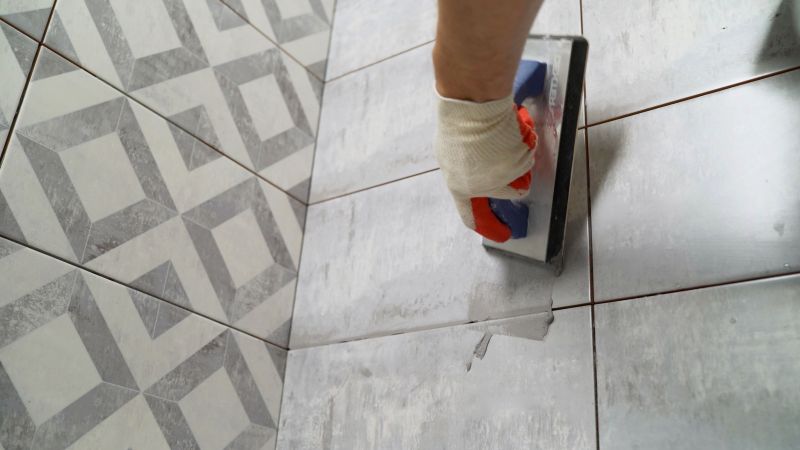
Repairing or replacing cracked grout involves removal and reapplication, influencing cost based on area size.
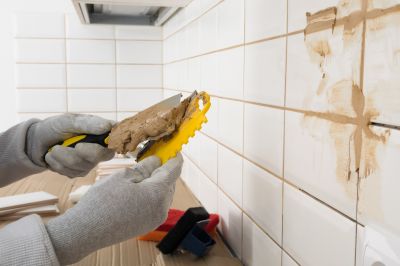
Cleaning or regrouting to restore appearance can vary in price depending on extent.
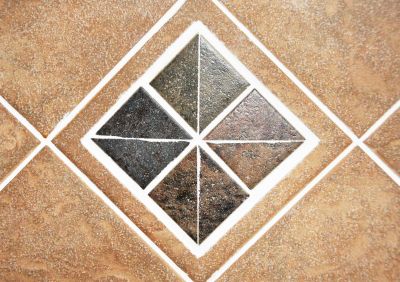
Damage to tiles or surfaces around grout areas may increase repair complexity and cost.
| Service | Average Price Range |
|---|---|
| Grout Cleaning | $150 - $400 |
| Grout Recoloring | $200 - $600 |
| Full Grout Replacement | $500 - $2,500 |
| Epoxy Grout Repair | $300 - $1,200 |
| Tile Regrouting | $400 - $1,800 |
| Grout Sealant Application | $100 - $300 |
| Crack Repair | $150 - $500 |
| Surface Preparation | $100 - $400 |
| Tile Replacement | $200 - $2,000 |
| Waterproofing Sealant | $150 - $500 |